
Sewer smell in the house (even after rain): 7 causes and solutions
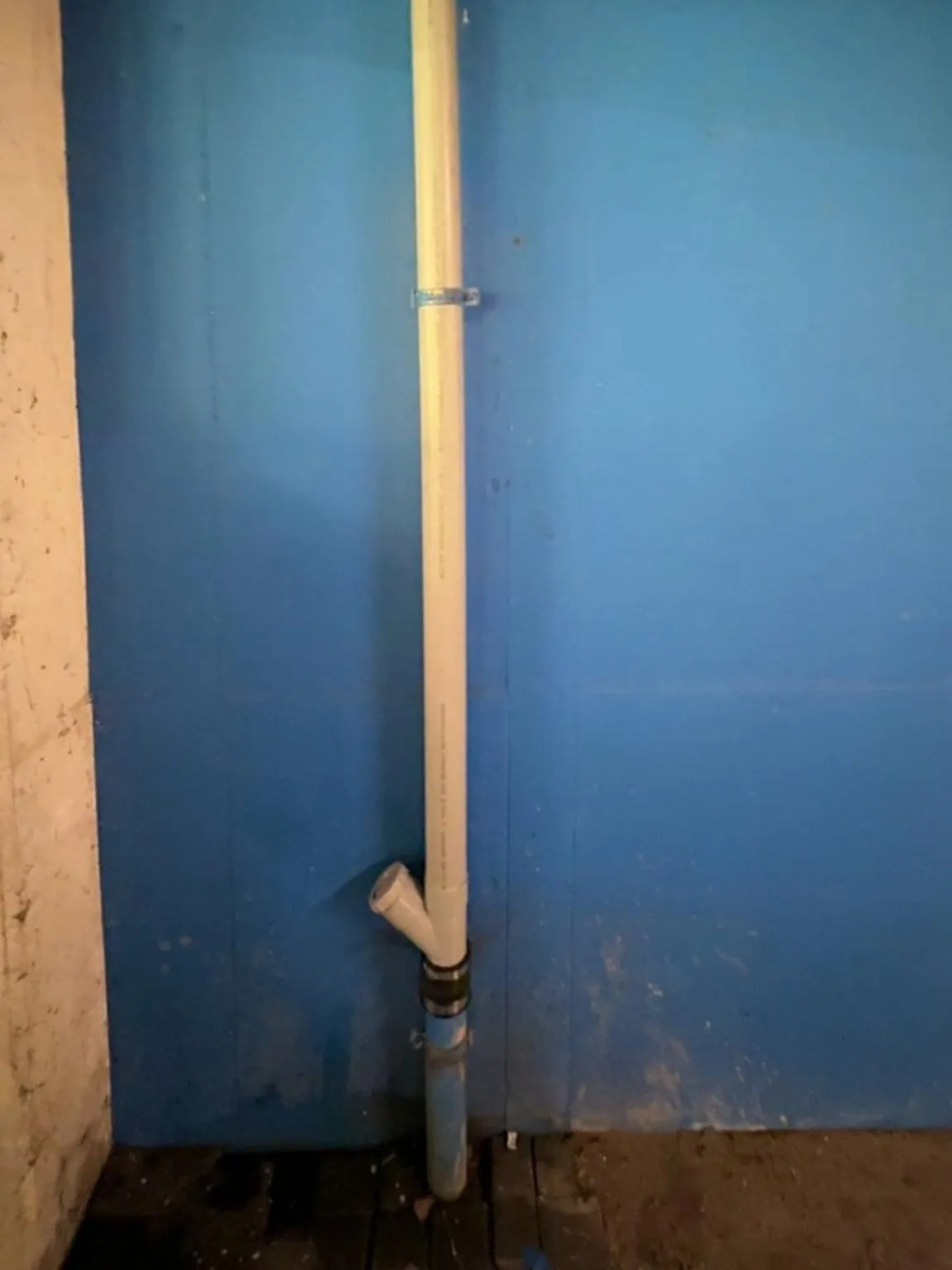
A sewer smell in the house is usually caused by an empty or siphoned water seal, a dirty trap or venting that is not working properly. If you mainly smell it after rain or after flushing, the air in the sewer cannot find a proper way out. A loose drain, a blockage or a sagging sewer pipe can also be the cause.
In this article you will read how to track down step by step where the sewer smell is coming from, which seven causes are the most common and what you can fix yourself. You will also read when it is better to call a professional, who pays the costs and what to do in Almere if the problem is in the municipal sewer.
Where does a sewer smell in the house come from?
A sewer smell occurs when air from the sewer finds its way inside. Normally a small layer of water in every drain, the water seal or trap seal, keeps that air out. Your home’s drainage also has a vent: a pipe that runs outside through the roof.
If something goes wrong with the water seal, the vent or the pipe itself, you smell it straight away. In its brochure on water and sewers, the Zuiderzeeland water authority writes that smells in the house are often caused by poor ventilation of the sewer, and that the homeowner is responsible for this. With a persistent smell, a professional therefore looks at the whole sewer and drainage system of your home, not just the drain where you smell it.
How do you find where the sewer smell is coming from?
Start by working out where and when you smell it. That often already says a lot about the cause.
- Go round all the rooms. Smell at the shower, the bath, the washbasin, the toilet, the washing machine drain and the floor drain in the storage room or garage.
- Note the moment. Do you smell it after a rain shower, after flushing, when the bath or washing machine empties, or right after a holiday?
- Listen for gurgling. If the shower or washbasin gurgles when someone else flushes the toilet, the water seal is being siphoned out.
- Look at the floor. If you mainly smell it in the attic or on the upper floor, that often points to a problem with the vent on the roof.
- Check whether everything drains properly. If the toilet downstairs drains slowly or several drains run away badly, there is probably a blockage in the pipe. Then having the drain unblocked is often the first step.
- Ask the neighbours. If they smell or notice the same thing, the problem may be outside your home.
Write down what you see and smell, and if you can, make a short video of a gurgling drain. That helps a plumber find the cause faster.
What are the 7 most common causes of a sewer smell?
Most cases of sewer smell in the house come down to one of these seven causes. Some you can fix yourself; for the rest you need a professional.
1. A dried-out water seal
A drain that has not been used for weeks dries out. Think of a guest toilet, a shower in the attic or the floor drain in the storage room. The water in the water seal evaporates and the sewer air can get in freely.
Solution: run the tap for a moment or pour a bucket of water into the drain. Use rarely used drains every now and then, especially after a holiday.
2. A siphoned water seal
If a lot of water drains away at once, for example from the bath, the washing machine or the toilet, it can suck the water seal of another drain empty. You hear this as gurgling in the shower or washbasin. It mainly happens when the pipe gets too little air.
Solution: an air admittance valve on the drain pipe lets air in without letting smells out. According to the municipality of Geldrop-Mierlo, an air admittance valve or vent always belongs at the highest point of the pipe. Have a professional fit this.
3. A dirty or wrongly fitted trap
Hair, soap residue and grease build up in the trap under the washbasin and sink. That starts to smell itself, even when the water seal is full. After a renovation, a trap is sometimes loose or fitted the wrong way.
Solution: put a bucket under the trap, unscrew it, clean it and screw it back hand-tight. If it leaks afterwards or a part is missing, replacing it is often the quickest solution.
4. A roof vent that does not work
The vent pipe on the roof carries sewer air away and prevents negative pressure in the pipes. The Zuiderzeeland water authority gives a bird’s nest in the roof outlet as an example of a blocked vent. A pipe that is too narrow also causes problems: Geldrop-Mierlo calls a diameter of 50 mm for the vent pipe “far too small”.
Solution: have the roof outlet checked and cleared. Do not go up on the roof yourself, and certainly not in wind or rain.
5. Air being pushed out of the sewer when it rains
During a heavy shower the sewer fills up and the air in it is pushed out. If it cannot go anywhere else, it comes inside through your drains. Below you can read how this works and what to do about it.
6. A leaking or loose drain
If there is a crack in a drain pipe or a joint is loose, sewer air escapes into the room itself. A well-known example is the rubber connector behind the toilet. The Zuiderzeeland water authority names a leak in the indoor drainage as a separate cause of smells.
Solution: use a torch to look behind the toilet, under the washbasin and, if possible, in the crawl space for wet patches or loose joints. Have a leaking drain or connection replaced through sanitary fittings and plumbing.
7. A blocked or sagging sewer pipe
A partial blockage makes water drain slowly and starts to smell. The municipality of Almere writes that a sewer blockage can cause smells, nuisance and water that does not drain properly. A sagging pipe is trickier: according to Geldrop-Mierlo, a sagging connection forms a natural water seal, so the vent no longer works.
In Almere, subsidence plays a part. Houses stand on piles and do not sink, but gardens and streets do. As a result, the connection between the house and the street can start to sag. Read more in our article on a sagging sewer in Almere.
Solution: have a blockage cleared. If a sagging pipe is suspected, a camera inspection is the usual way to establish where the problem is, after which the pipe can be repaired or replaced.
Why do I smell sewer air in the house after rain?
During a heavy rain shower the sewer fills up with water and the air in it has to go somewhere. If it cannot escape through the downpipes, then according to Geldrop-Mierlo the air looks for a way through the house drainage and the traps start to gurgle.
In newer homes, the downpipe connections often have their own trap. The sewer can then only vent through the soil stack in the house, and that is sometimes too small. According to the municipality, disconnecting the downpipe yourself also disrupts the ventilation of the sewer.
What you can do:
- Note whether it only happens during heavy downpours or with every shower.
- Look from the ground to see whether the vent pipe on the roof seems clear, or have it checked.
- Have a professional assess whether an air admittance valve or extra venting is needed.
- Did the smell start after you disconnected the downpipe? Mention that too.
Is it sewer air or could it be gas?
Sewer air is unpleasant, but a smell of gas is dangerous. If in doubt, open windows and doors, do not use naked flames or electrical switches, go outside and call the national gas emergency number (Nationaal Gasalarm): 0800 9009.
What can you do yourself about a sewer smell in the house?
You can prevent many smell problems with a few regular habits.
- Run rarely used drains for a moment every few weeks.
- After a holiday, briefly turn on all the taps and flush all the toilets.
- Clean traps and shower drains regularly.
- Do not pour oil or grease down the sink, and throw wet wipes in the bin, as the municipality of Almere advises.
- Do not use a chemical drain unblocker against the smell: it does not solve an empty water seal, a venting problem or a sagging pipe.
Sewer smell: fix it yourself or call a professional?
If the cause is in a drain or trap, you can usually fix it yourself. If it involves pipes, venting or the roof, leave it to a professional.
- Do it yourself: topping up the water seal, cleaning the trap, cleaning the shower drain.
- Professional: fitting an air admittance valve, checking the vent through the roof, replacing a leaking drain or toilet connection, clearing a blockage in the pipe, repairing or replacing a sagging pipe.
What does it cost to fix a sewer smell?
That depends on the cause. Cleaning a trap costs nothing; replacing a sagging pipe is a bigger job. According to the Dutch review platform Werkspot (updated 21 August 2026), sewer unblocking costs on average €90 to €250 nationally, with a starting rate of €90 to €150 including half an hour of work. A camera inspection costs from €195. Those amounts include VAT and the call-out charge.
Klusbedrijf MSZ does not work with fixed package prices but on an hourly basis, with the first hour on site as the minimum per visit. How long a job takes depends on what we find. Send a photo or video via WhatsApp beforehand, and you will get a free remote estimate.
Who pays: you, the municipality or the landlord?
Everything in your home and on your own property is in principle at your own expense. If the problem is in the municipal sewer, the municipality usually arranges and pays for it.
In Almere, if there is a blockage, first check the ontstoppingsstuk (rodding point), usually at the property boundary. If it is full of water, the blockage is probably on the municipality’s side and you call 14 036. If you hire a company yourself before the municipality has looked, you pay the costs yourself. You can read how this works in our article blocked sewer in Almere: municipality or plumber?
Are you renting? Then first contact your housing association or landlord. If you live in Lelystad, check the website of the municipality of Lelystad to see how it is arranged there, or read more about drain unblocking in Lelystad. We also come out to Amsterdam and the Gooi.
When should you call a professional?
Call a professional if the smell keeps coming back after topping up and cleaning. Pay particular attention to these signs:
- Drains gurgle every time the toilet is flushed or every time it rains.
- Several drains run away slowly at the same time.
- You see damp or wet patches near a drain or behind the toilet.
- The garden above the sewer pipe has subsided, or the rodding point is often full.
- You mainly smell it in the attic and suspect a problem with the vent.
Frequently asked questions
How do I get rid of a sewer smell in the house quickly?
Top up all the water seals by running the taps and flushing the toilets, and clean the trap. If the smell comes back after that, the cause is usually deeper, for example in the vent or the pipe.
Why do I smell sewer air in the bathroom, but only now and then?
Often the water seal of the shower or washbasin is siphoned out when a lot of water drains away elsewhere. If you hear gurgling as well, an air admittance valve on the drain can be the answer.
Can a dry trap cause a sewer smell?
Yes. Without water in the water seal, your drain is open to the sewer. This mainly happens with drains that have not been used for weeks.
Why does the sewer smell in the house after a rain shower?
The sewer fills up and the air looks for a way out through your house drainage. If the vent through the roof does not work properly or is too small, the air comes inside through the drains.
Who solves a sewer smell in a rented home?
Report it to your landlord or housing association first; they will handle it. You can clean a trap or top up a dry drain yourself.
Does a chemical drain unblocker help against sewer air?
Usually not. It does not solve an empty water seal, a venting problem or a sagging pipe, so the smell comes back.
Need help with a sewer smell in Almere or Lelystad?
Does the sewer smell in your house keep coming back, even after topping up and cleaning? Klusbedrijf MSZ is a family business from Almere and available 24/7. We help with unblocking toilets, drains and sewers and with repairing and replacing sewer pipes and drains in Almere, Lelystad and the surrounding area.
The first hour on site costs €181.44 incl. VAT (€149.95 excl. VAT), then €108.84 incl. VAT (€89.95 excl. VAT) per hour. The first hour is the minimum per visit. In Almere we charge no call-out charge; elsewhere in our service area one fixed amount of €42.35 incl. VAT (€35 excl. VAT). For evenings, nights or weekends we agree the rate in advance on the phone. See all our prices or request a free quote.
Call or WhatsApp 06 19 74 36 78. Feel free to send a photo via WhatsApp of the drain or outlet that smells, and we will think along with you straight away.
